West End London: Commercial Infrastructure, Licensing & Cultural Economy
London’s West End (W1/WC2) represents the UK’s highest-density commercial entertainment and flagship retail nexus, generating over £10 billion in annual economic turnover. Administered jointly by Westminster City Council and the London Borough of Camden, the corridor encompasses Oxford Street, Covent Garden, Soho, and 39 commercial theatres regulated under the Theatres Trust Act 1976 and the Licensing Act 2003 Cumulative Impact Zones.
🎭 West End Commercial & Cultural Sectors
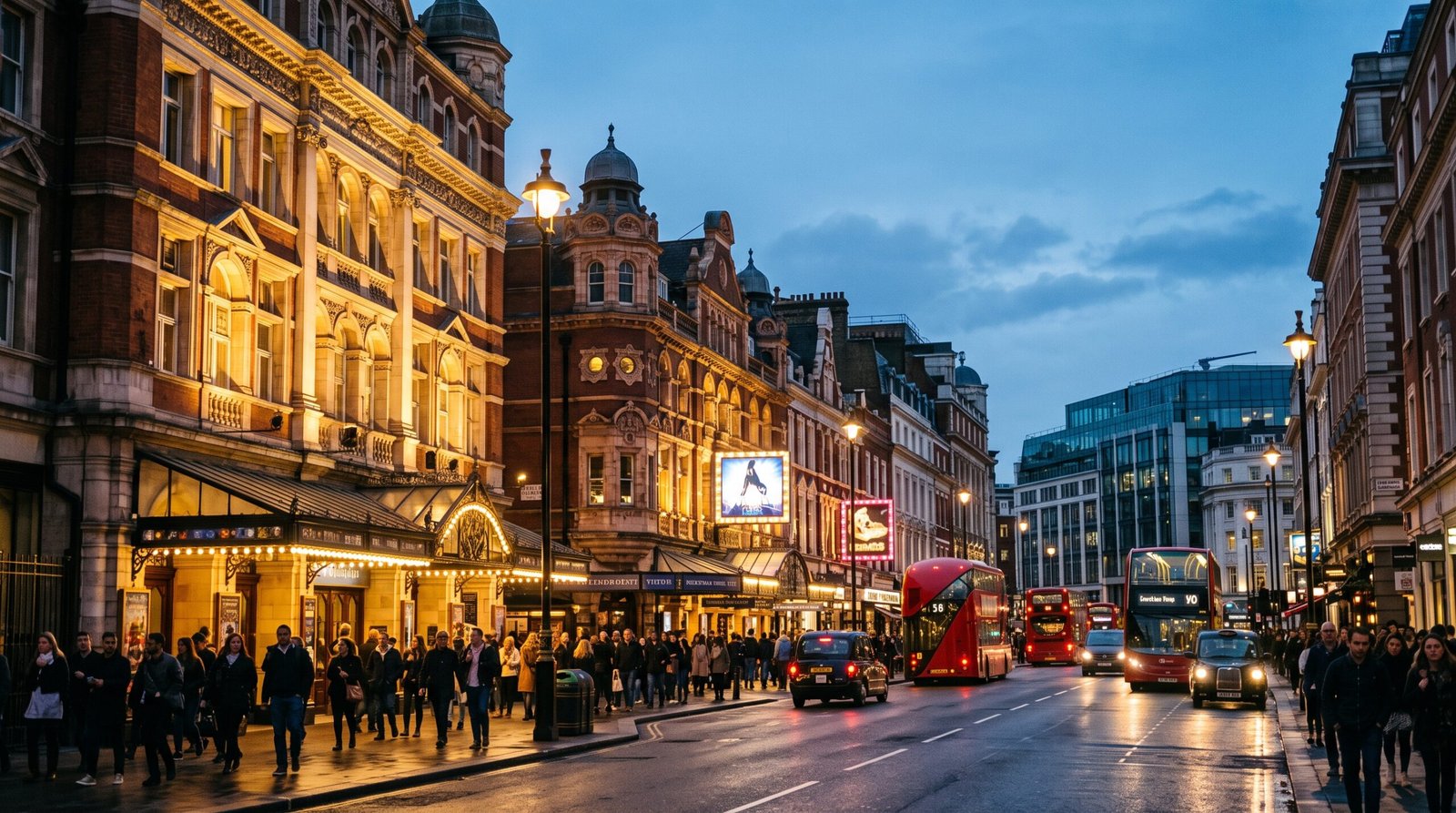
Theatreland & Leicester Square
The historic core of British commercial theatre operating under the Theatres Trust Act 1976. Accommodates 39 commercial West End venues and major premiere cinemas governed by strict public safety licenses.
Oxford, Regent & Bond Street
Europe’s busiest shopping spine managed via the New West End Company Business Improvement District. Governed by pedestrian accessibility plans and the Highways Act 1980 commercial zoning framework.
Covent Garden & Seven Dials
Protected historic market squares and pedestrian-priority hospitality zones. Governed under conservation mandates balancing intensive visitor footfall with residential quiet hours.
📊 District Comparison: West End vs. Central London Hubs
Comparative matrix assessing commercial footfall, planning governance, and transit connectivity across central London’s primary sectors.
| Metric / Criterion | West End (W1/WC2) | Square Mile (EC2/EC3) | South Kensington (SW7) | South Bank (SE1) |
|---|---|---|---|---|
| Planning Authority | Westminster City Council & Camden | City of London Corporation | Royal Borough of Kensington & Chelsea | Lambeth & Southwark Councils |
| Transit Infrastructure | Elizabeth Line, Central, Piccadilly, Northern | Elizabeth Line, Northern, Central, DLR | Piccadilly, District & Circle Lines | Jubilee, Northern, Bakerloo, National Rail |
| Primary Economic Driver | Retail, Commercial Theatre, Hospitality | International Finance, Legal, Corporate HQ | National Museums, Academic Research | Public Arts, Thames Tourism, Media |
| Night-Time Economy | High; 03:00 licensing venues and theatre peaks | Low; weekday corporate dining focus | Low; residential curfew dynamics | Moderate; active river footfall |
| Statutory Framework | Licensing Act 2003 (West End CIZ) | City of London Act & Ward Covenants | 1851 Royal Commission Estate Trust | Thames Path National Trail & GLA Masterplan |
⏱️ Transit Logistics & Council Cumulative Impact Policies
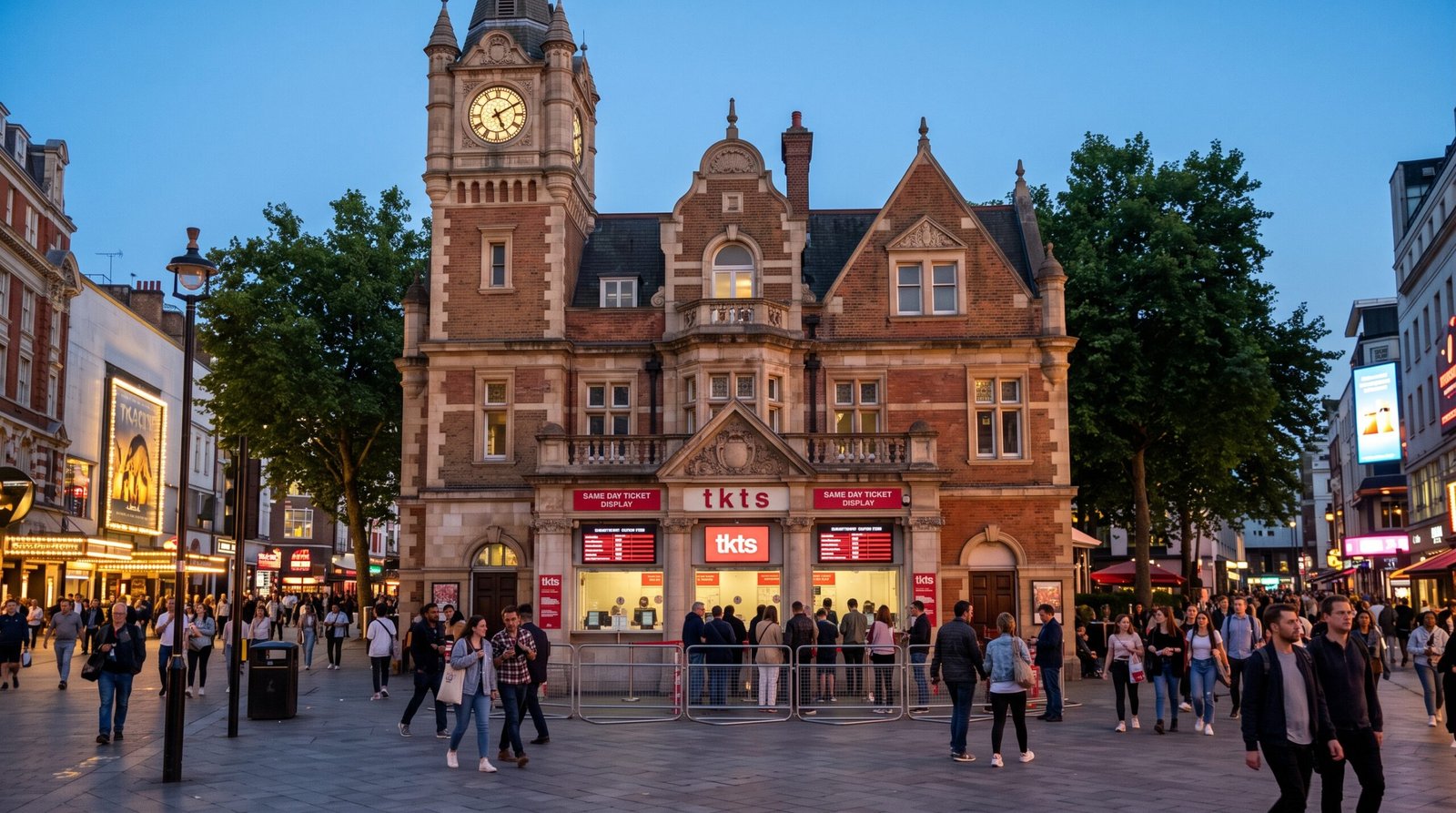
Elizabeth Line High-Capacity Dispersal
The Elizabeth line stations at Tottenham Court Road and Bond Street manage intensive passenger volumes, handling over 200,000 movements per hour. The line connects Heathrow Airport directly to the theatre district in under 30 minutes, removing severe congestion from legacy tube lines.
Westminster Cumulative Impact Policy
Under the Licensing Act 2003, Westminster Council enforces the West End Cumulative Impact Zone (CIZ). Applications for late-night food, alcohol, and entertainment licences must prove they will not generate additional public nuisance or compromise public safety in high-density corridors.
 Official Verification Hub • Global HQ Digital Stewardship
✉️ Administrative Record Gateway
Direct all statutory submissions, district research inquiries, and network correspondence to our Devon central desk team: Global HQ Central Contact Desk →